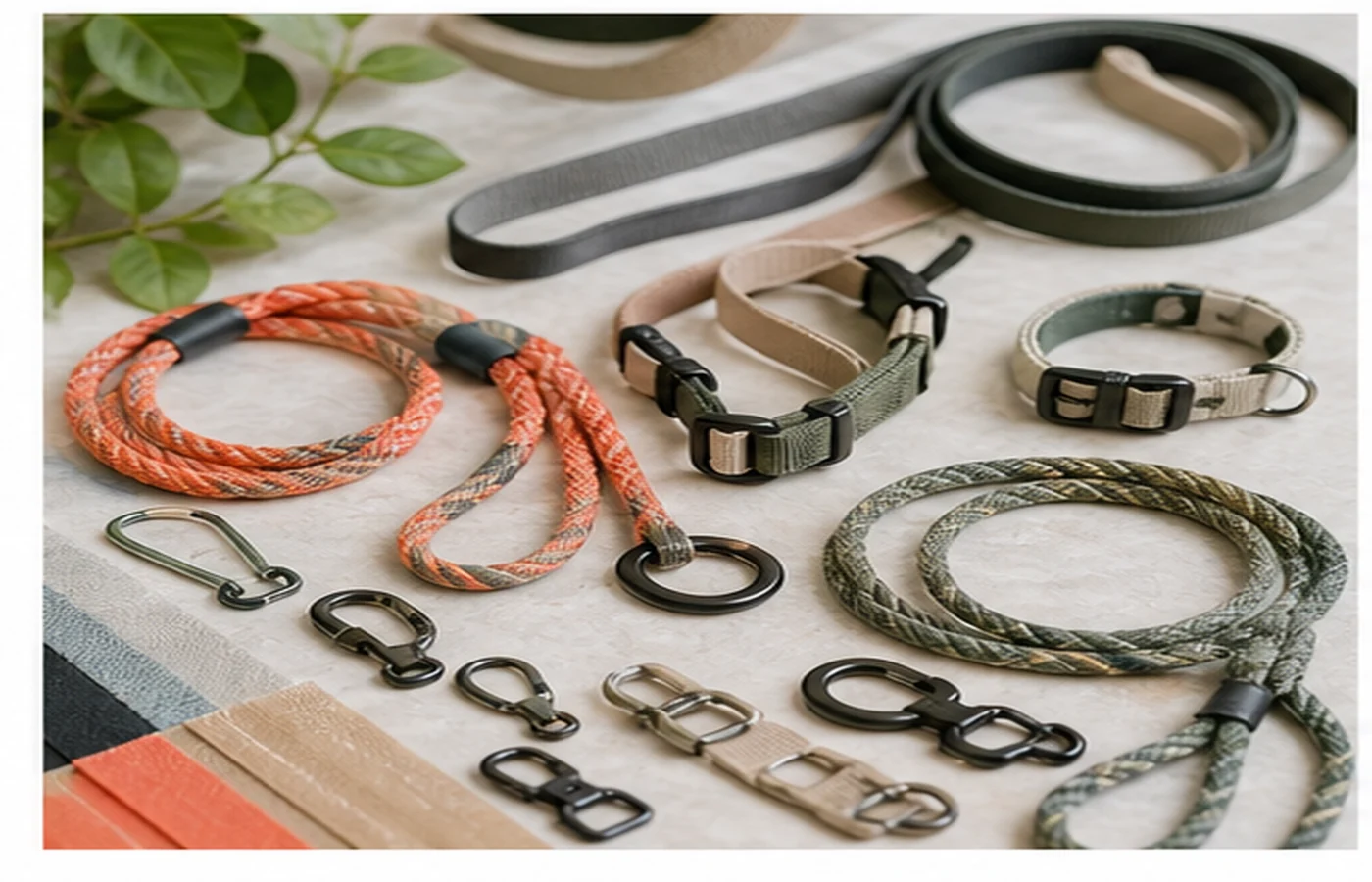
Which leash accessories should I pair with harnesses?
A harness alone solves control, but a matched walking set solves a full routine.
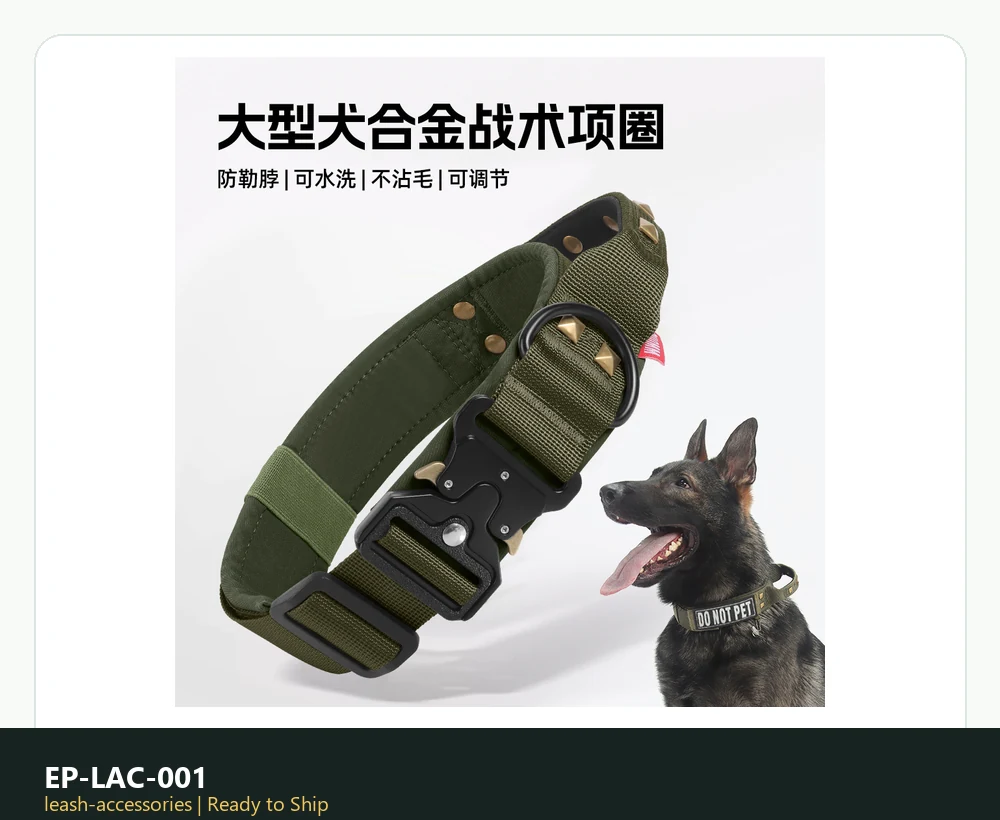
I pair harnesses with collars, standard leashes, hands-free options, car safety clips, waste bag holders, LED add-ons, and seasonal walking accessories.
How I break this down
I start with the job because leash and accessory programs can look similar on a screen. I have seen buyers compare two products by color, then ignore the reason a pet parent buys the item. That creates weak listings and weak reorders. I ask one plain question first: what daily problem does this SKU remove? If the answer is control, I look at leash angle, chest stability, and adjustment. If the answer is comfort, I look at inner contact points and pressure. If the answer is style, I still test whether the product can survive normal use. A product can be pretty and still be a poor business choice.
| Buyer question | What I check | Why it matters |
|---|---|---|
| Main use | Daily walk, travel, outdoor, gift, or seasonal use | The use case shapes the SKU story. |
| Retail promise | Comfort, control, warmth, premium look, or bundle value | The promise guides photos and copy. |
| Risk point | Fit, hardware, fabric, color, or packing | The risk point shapes the sample checklist. |
How do I design bundles without making inventory messy?
Bundles can raise order value, but messy bundle logic creates slow stock.
I keep bundles simple by using shared color names, shared hardware finishes, clear width groups, and one main story for each set.
How I break this down
I treat construction as a cost map. Each fabric, buckle, stitch, and trim choice changes the product margin and the customer experience. I do not need every SKU to be heavy or premium. I need the material to match the promise. For pet retailers, bundle planners, and private-label walking gear buyers, that means I compare touch, tension, finish, and photo value. A cheap-feeling buckle can lower trust even when the rest of the product looks good. A soft fabric can raise conversion, but it still needs enough shape to sit well on the pet. I also look at the hidden cost of detail. Complex trim can slow production. A special color can raise minimum quantity. A custom label can improve brand value, but it can also add a new approval step.
| Detail | Low-risk check | High-risk signal |
|---|---|---|
| Fabric | Clean hand-feel and stable surface | Loose yarns or weak backing |
| Hardware | Smooth action and matched finish | Rough edges or color mismatch |
| Stitching | Consistent paths at stress points | Skipped stitches or weak corners |
What quality details matter for leash accessories?
Small accessories get pulled, clipped, dropped, and handled every day. Weak parts show fast.
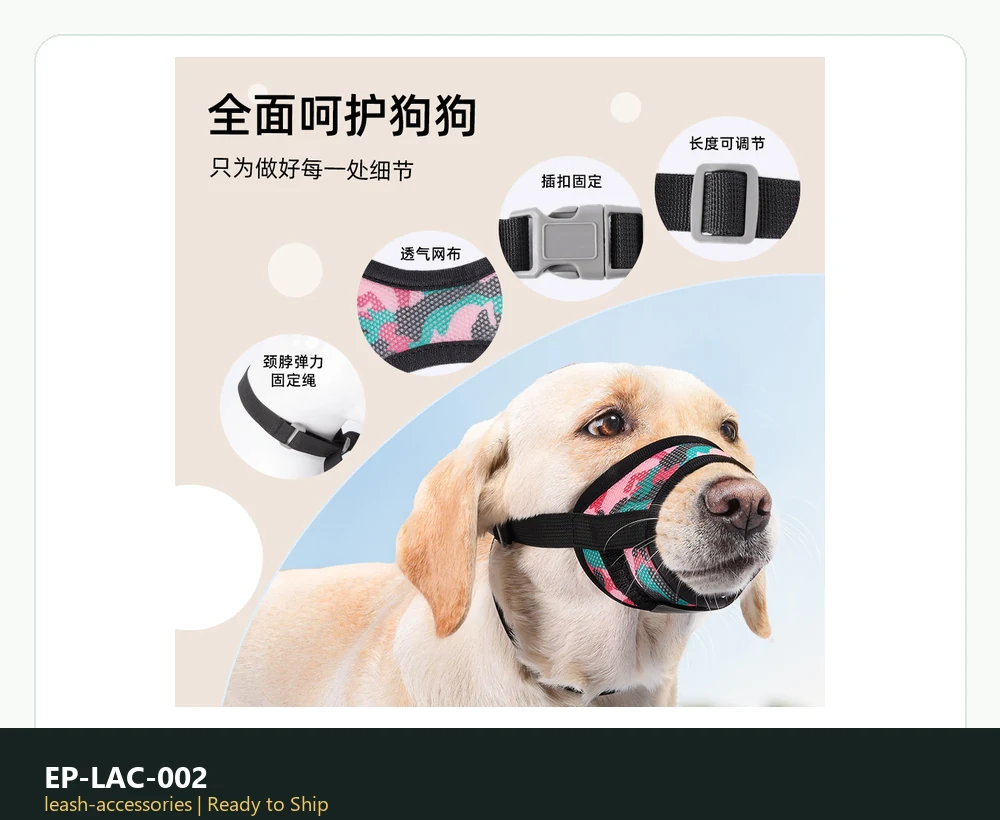
I check clasp action, rope or webbing hand-feel, stitching, rivets, edge finishing, metal coating, plastic part strength, and how the accessory sits on a retail hook.
How I break this down
I do not treat size and color as decoration. They are inventory decisions. A wide size run can help a buyer serve more pets, but it can also split demand into slow-moving pockets. A narrow size run can look efficient, but it may push away the breeds that drive the category. I compare each size against the market that the buyer wants to reach. Then I compare color against the selling channel. A marketplace listing may need one bright image to win the click. A boutique shelf may need softer colors that sit well together. A distributor may prefer safe colors because reorders matter more than first impressions.
| Planning area | Good first step | What I avoid |
|---|---|---|
| Sizes | Map each size to a pet type | Adding sizes with no demand logic |
| Colors | Use a basic, a soft color, and a hero color | Too many similar shades |
| minimum quantity | Plan by color and size together | Asking for one total minimum quantity only |
How should I write a better inquiry for accessory lines?
Accessory quotes can look cheap until packing, hardware, and color matching are unclear.
I ask for material, width, length, hardware finish, color matching, packaging, barcode needs, minimum quantity by color, and whether the item can ship with harness lines.
Conclusion
I choose products faster when I make the job, risk, and buyer story clear before sampling.