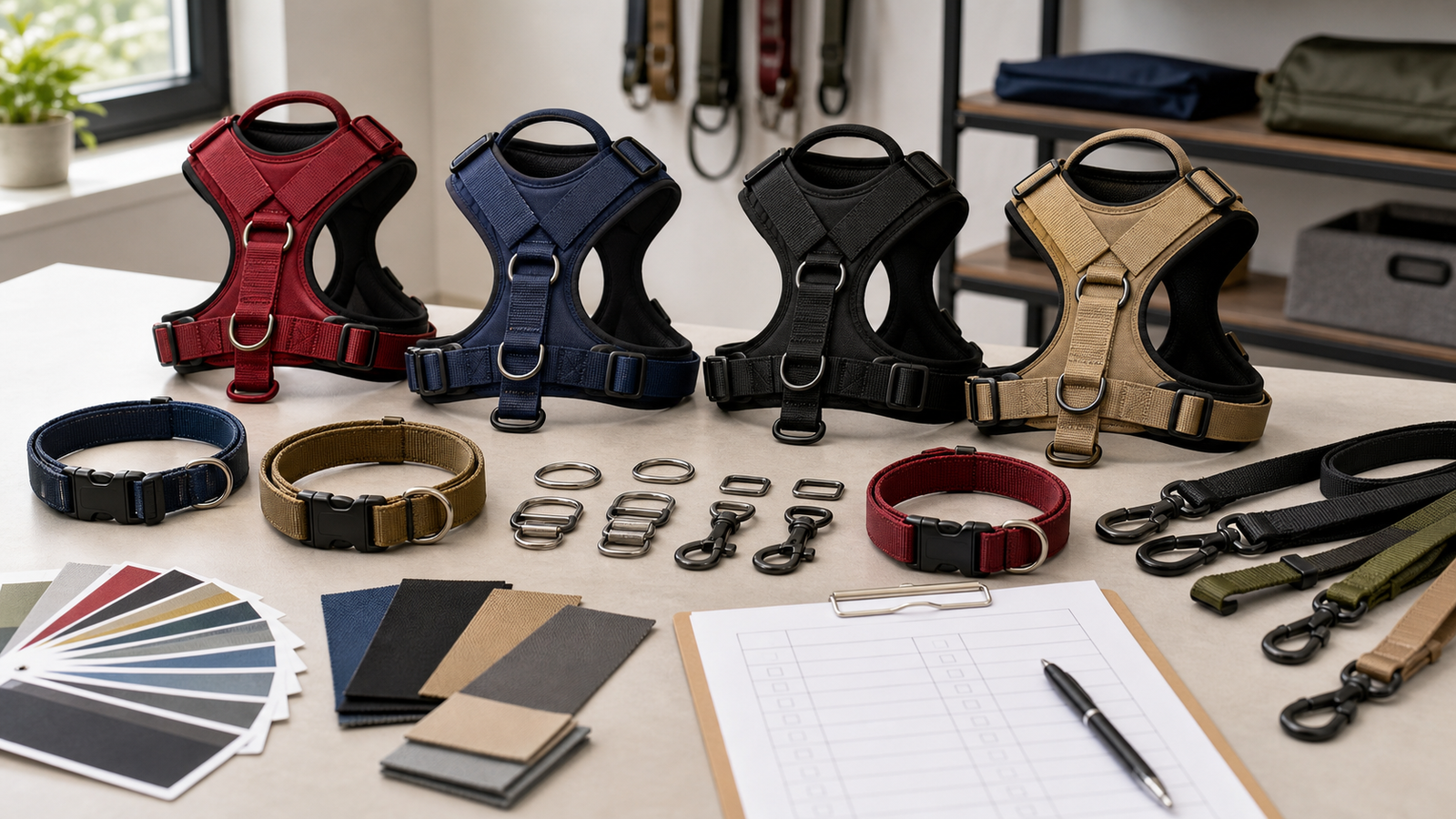
Which dog harness samples should I request first?
A buyer can order too many samples and still miss the SKU that proves the program.
Start with one core daily harness, one stronger control harness, one small-dog option, and one premium-positioned style. This sample mix lets you compare fit, materials, shelf story, and channel direction before building a larger wholesale range.
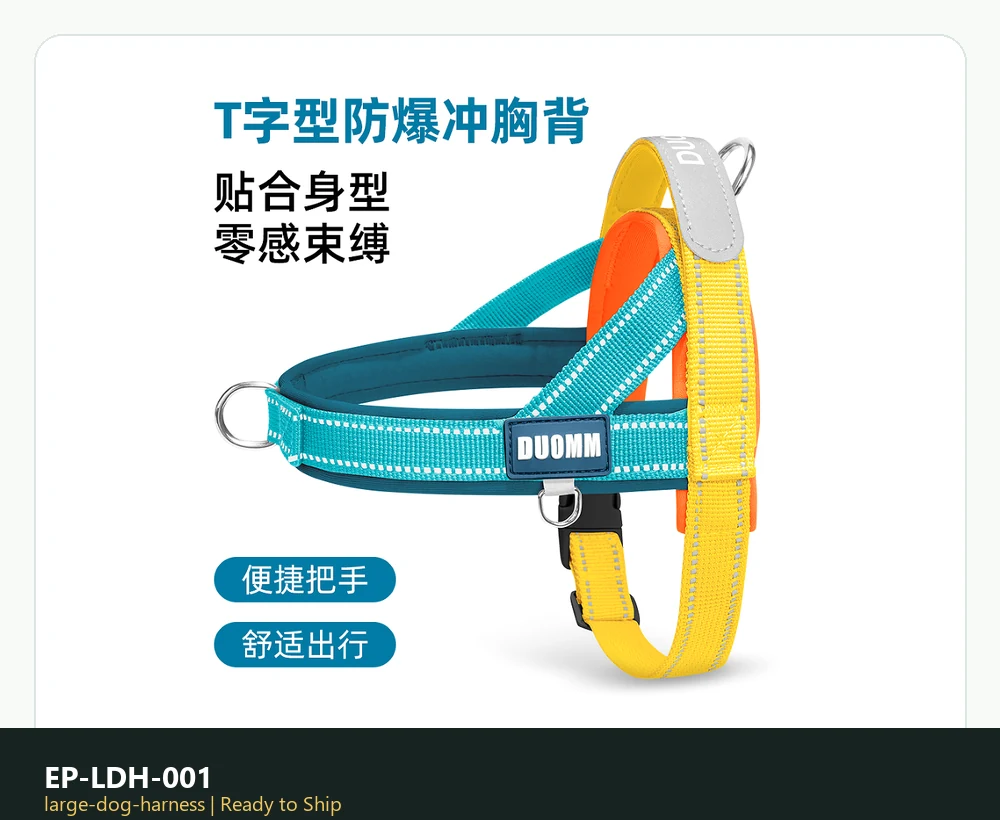
Begin with the retail job
I do not build a sample request from the full catalog at once. I start with the buyer's job. A marketplace seller may need a photogenic hero harness with clear size variants. A distributor may need stable repeat stock, broad size coverage, and simple color choices. A boutique brand may need a softer look, stronger material story, and private-label packaging discussion. The sample list should test those decisions directly.
Limit the first round
A first sample round should be narrow enough to compare carefully. Four to six samples are often better than twenty loose ideas. When the buyer requests one daily walking harness, one anti-pull or control style, one lightweight small-dog style, and one premium line, the review has structure. The buyer can compare strap width, padding, buckle feel, sewing, and visual tier without mixing too many unrelated products. This also helps the supplier comment honestly on stock availability, logo options, and reorder logic.
| Sample type | What it proves | Buyer use |
|---|---|---|
| Daily harness | Basic fit and comfort | Core retail SKU |
| Control harness | Strength and handle details | Outdoor or larger dog line |
| Small harness | Light body contact | Boutique and small breed range |
| Premium harness | Material and shelf position | Private-label hero option |
How should I write the sample request to a supplier?
Suppliers cannot prepare useful samples when the inquiry only says, "send your best harness."
Write a sample request with the target market, channel, product use, preferred SKU links, sizes, colors, logo plan, packaging need, timeline, destination, and test goals. Clear requests reduce back-and-forth and make samples easier to judge.
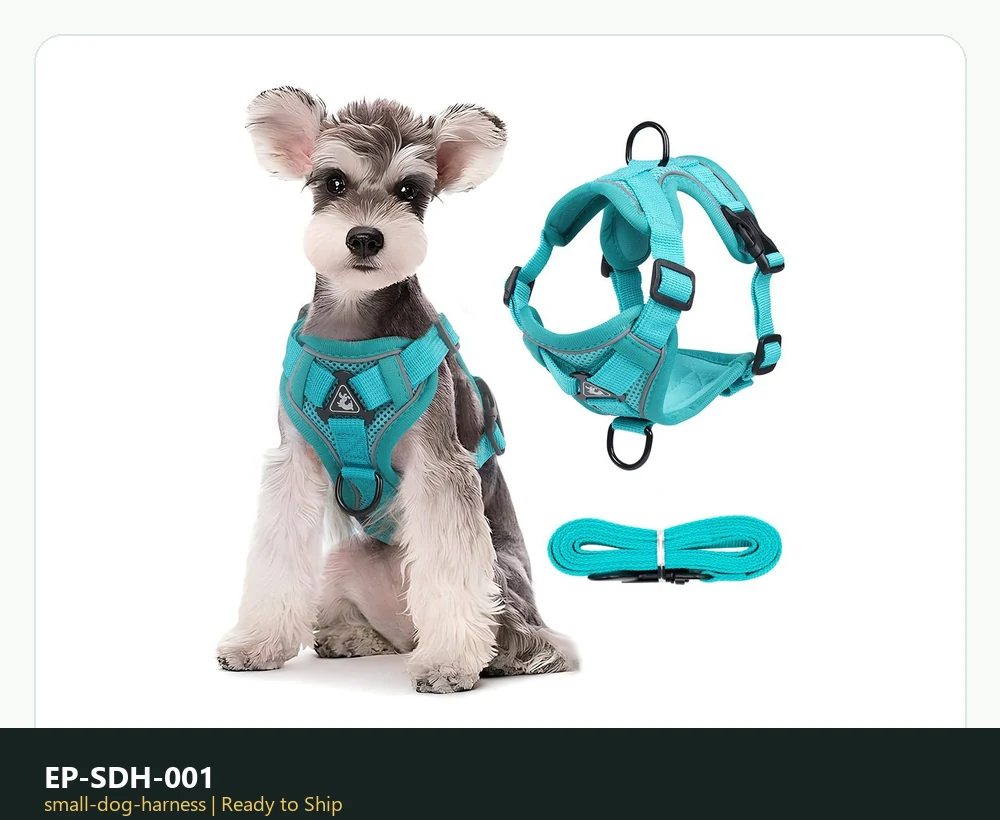
Make the request specific
A good sample request gives the supplier context before asking for items. I want to know whether the buyer sells through retail stores, Amazon-style marketplaces, regional distributors, pet boutiques, or a private-label website. That channel changes what matters. It can affect packaging, product photos, color planning, and how many sizes the buyer should test. If the buyer already has a target category page or competitor benchmark, I include that context in the request. The goal is not to copy another brand. The goal is to define the shelf position clearly.
Separate must-have details from open questions
I also ask buyers to separate fixed requirements from flexible preferences. Fixed requirements may include size range, color family, logo method, destination country, and launch date. Flexible preferences may include hardware color, packaging card style, or the final number of SKUs. This matters because a current supplier catalog can often move quickly when the buyer is flexible on small details. If every detail is treated as final before sampling, the project can slow down without improving the result.
| Request field | Example detail | Why it matters |
|---|---|---|
| Channel | Retail store, distributor, marketplace | Guides packaging and photo needs |
| SKU links | Preferred product or category pages | Reduces random sample choices |
| Sample goal | Fit test, material check, package review | Focuses supplier feedback |
| Deadline | Sample approval date | Protects launch planning |
What should I check when the harness samples arrive?
Samples can look good in photos but fail when buyers check fit, touch, and daily-use details.
Check each dog harness sample for size accuracy, adjustment range, padding, webbing edge, buckle action, D-ring position, stitching, color consistency, logo area, packaging fit, and product-page photo readiness.
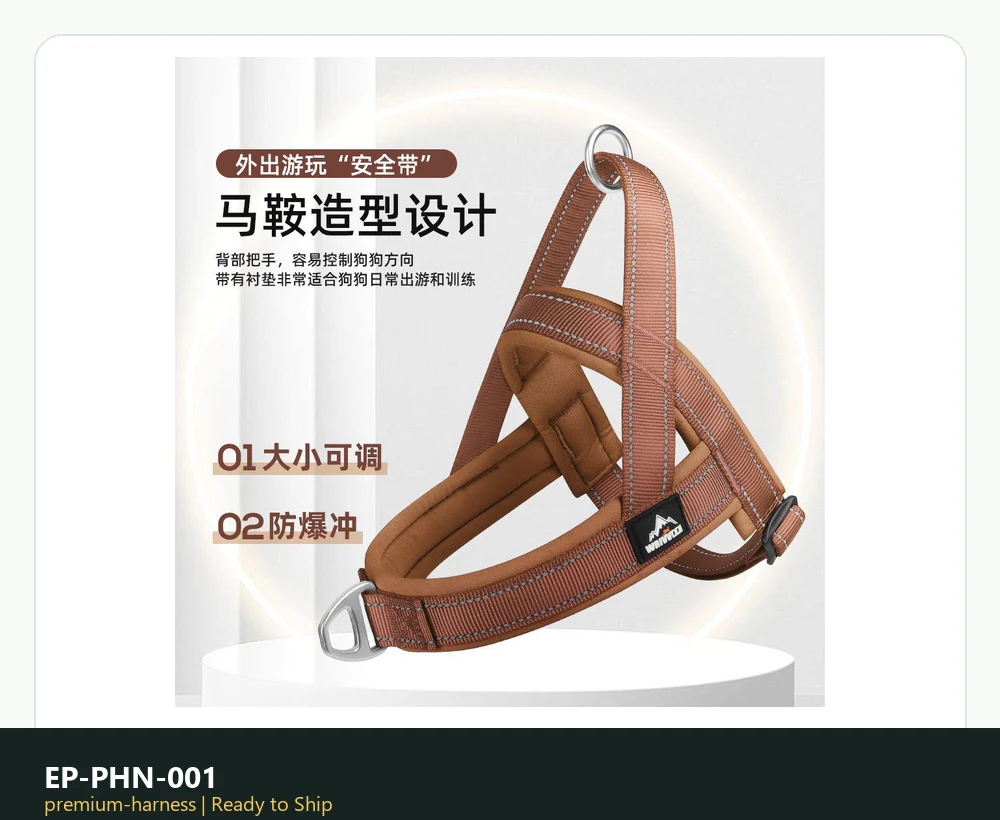
Use the same checklist for every sample
I prefer a simple scoring sheet because it keeps the review fair. Put every sample on the same table. Check the neck and chest adjustment first. Then check how the buckle opens, how the strap slides, and whether the D-ring is placed where the leash pull will feel natural. Touch the webbing edge and padding. Look at the sewing around stress points. If the sample includes a logo area, check whether the mark would sit flat and remain visible in retail photos.
Review as a future customer would
A B2B sample is not only a factory check. It is also a retail preview. I ask whether a customer can understand the harness from the front image, size label, packaging, and product title. If the sample will be sold online, the buyer should photograph the front, side, back, buckle, and adjustment points. If the sample will be sold in stores, the buyer should test how it hangs, folds, or sits in packaging. These small checks prevent a common mistake: approving a product that works physically but does not sell clearly.
| Check area | What to inspect | Pass signal |
|---|---|---|
| Fit | Neck, chest, adjustment range | Clear size target |
| Comfort | Padding, webbing edge, body contact | No rough touch points |
| Control | D-ring, handle, buckle, stitching | Stable daily-use feel |
| Retail | Packaging, hang, photo angles | Easy to explain and display |
When is a dog harness sample ready for a wholesale order?
Approving a sample too early can lock in weak sizes, unclear colors, or packaging that slows launch.
A dog harness sample is ready for wholesale ordering when the buyer has approved fit, size chart, color set, material level, logo placement, packaging, carton information, photo needs, and reorder SKU logic.
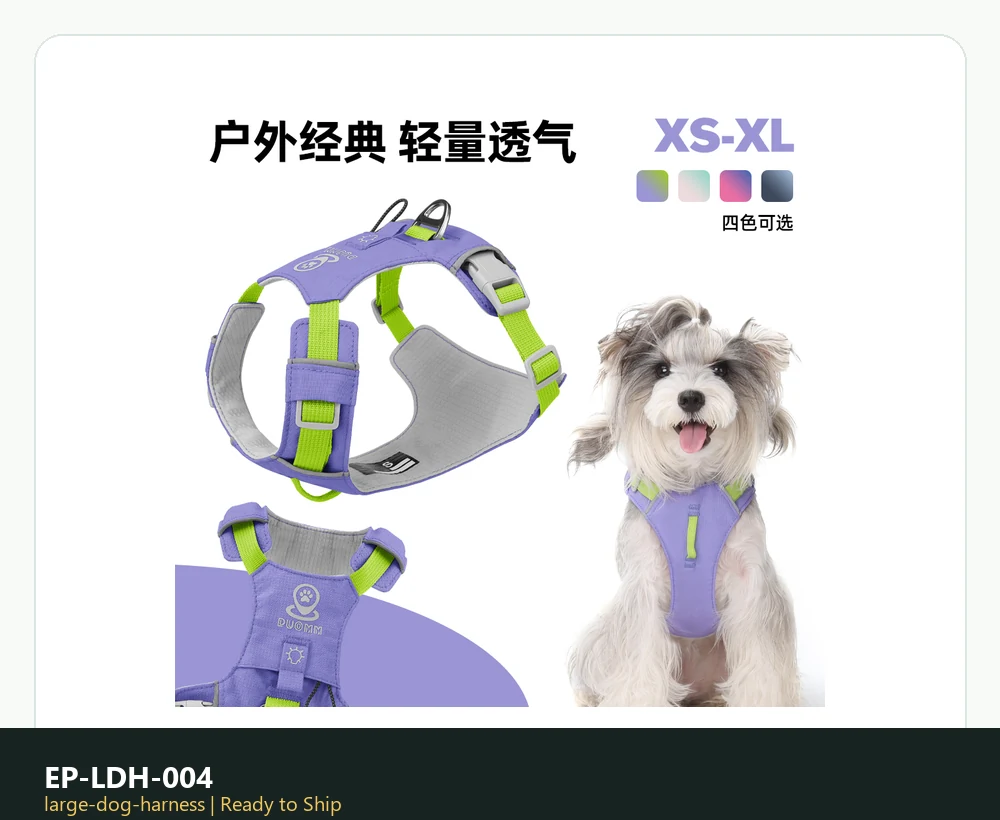
Turn approval notes into order specs
The best sample review ends with a short decision file. I want to see the approved SKU, size run, colors, material notes, logo method, packaging format, quantity plan, destination, and any requested changes. This file does not need to be complex. It needs to be specific. If the buyer liked the sample but wants a different color or package, that change should be written clearly before the wholesale order discussion starts. Otherwise the final order can drift away from the approved sample.
Keep reorder planning visible
Wholesale buyers should also think beyond the first order. A harness line may sell through at different speeds by size and color. Large sizes may need stronger reorder planning. Small-dog fashion colors may change by season. Premium styles may need more stable material control. I recommend naming the first order as a launch set, then preparing a reorder view by SKU, size, and color. This makes the supplier conversation more practical. It also helps Echo Paw suggest ready stock options, sample alternatives, and packaging choices that fit the buyer's real business instead of only the first shipment.
| Approval item | Question to answer | Wholesale risk reduced |
|---|---|---|
| Size chart | Which neck and chest ranges are final? | Lower return pressure |
| Color set | Which colors launch first? | Cleaner stock planning |
| Packaging | What format supports the channel? | Faster retail setup |
| Reorder file | How will SKU demand be tracked? | Better replenishment |
Conclusion
I request dog harness samples best when the buying goal is clear before the first parcel ships. Choose a focused sample mix, write a specific inquiry, inspect each sample with the same checklist, and convert approval notes into order specs. If you want Echo Paw to prepare a B2B sample discussion, send your target channel, preferred harness types, sizes, colors, logo needs, packaging plan, and timing.