
What should a matching harness and leash set solve first?
A set can look complete but still fail if the buyer cannot explain why it belongs together.
A matching set should solve one clear walking need first: daily control, small-dog comfort, outdoor activity, premium styling, or gift-ready retail presentation.
Start with the shopper job
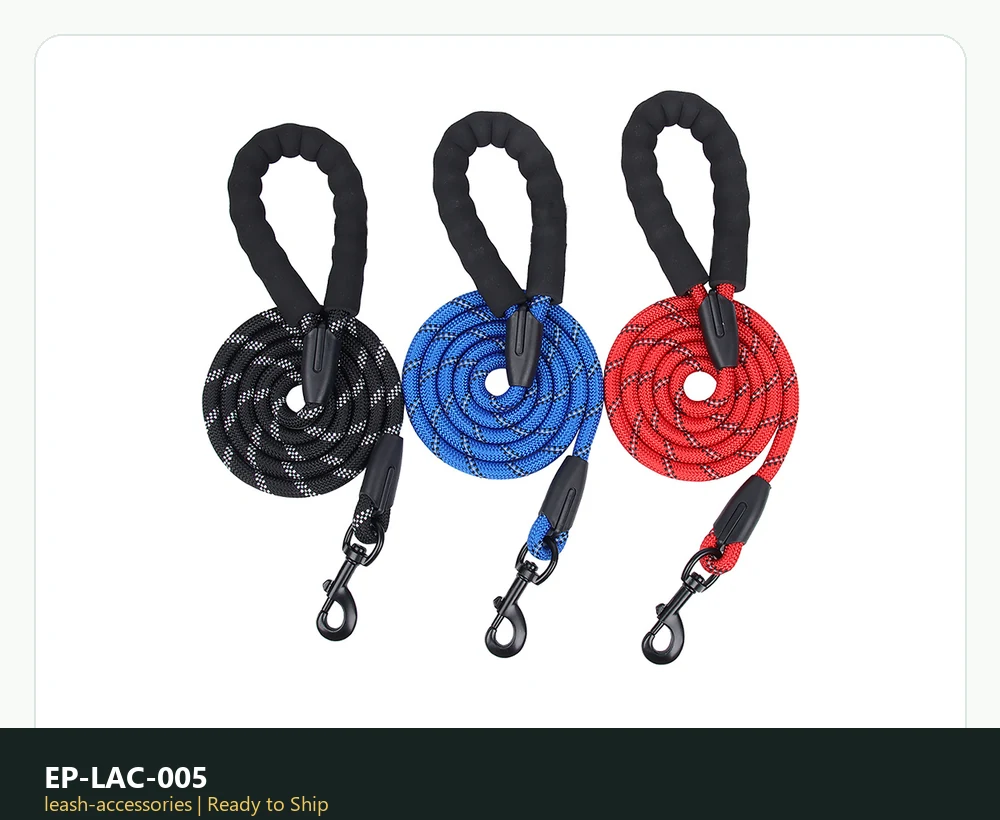
I start by naming the shopper job because matching can become too visual too fast. If the set is for a daily walking wall, the harness and leash need simple colors, reliable hardware, and easy replenishment. If the set is for a boutique collection, the story may lean toward soft colors, gift display, or a premium material touch. If the set is for a marketplace listing, the hero image must make the value clear in one second. The buyer should not need five product bullets to understand the set.
I also decide whether the leash is a primary item or an add-on. In some ranges, the harness leads because fit is the hard decision. In other ranges, the leash leads because color, length, and handle comfort are easier to sell. Echo Paw's Leash & Accessories category[1] is useful here because it shows leashes, collars, tactical add-ons, and bundle-ready items in one place. I can compare a basic leash against a more feature-led accessory before asking for samples.
| Set job | Best lead item | Buyer risk |
|---|---|---|
| Daily walking | Harness with standard leash | Weak color continuity |
| Outdoor activity | Control harness with stronger leash | Hardware feels uneven |
| Gift or boutique display | Soft-color set with retail card | Packaging raises cost too late |
Keep the promise narrow
A narrow promise helps the supplier recommend better options. I do not ask for every leash that can match every harness. I ask for one practical set architecture. For example, I might request one black set for core replenishment, one blue set for online photos, and one warmer neutral set for boutique display. This makes the first sample round easier to judge. It also helps the sales team discuss material, minimum quantity, packing, and quotation timing with less guessing. A good set should feel easy to buy again. If the buyer cannot explain the repeat order logic, the set may create a nice photo and a weak business result.
How do I match colors, widths, and hardware without overcomplicating inventory?
Matching sets become slow stock when every size, color, and accessory has a different logic.
I keep inventory cleaner by choosing shared color names, compatible webbing widths, one hardware finish family, and a limited first color range.
Build a small color system
I treat color as an operations system, not as decoration. A black harness and a black leash may still look different if the webbing texture, dye depth, or trim finish changes. A blue color can shift even more between mesh, nylon, and PU surfaces. That is why I ask for matched sample photos under the same light before I approve a set. I prefer color names that buyers can use across the range. Black, blue, red, orange, green, and gray work well for many leash programs because they are easy to group and easy to describe.
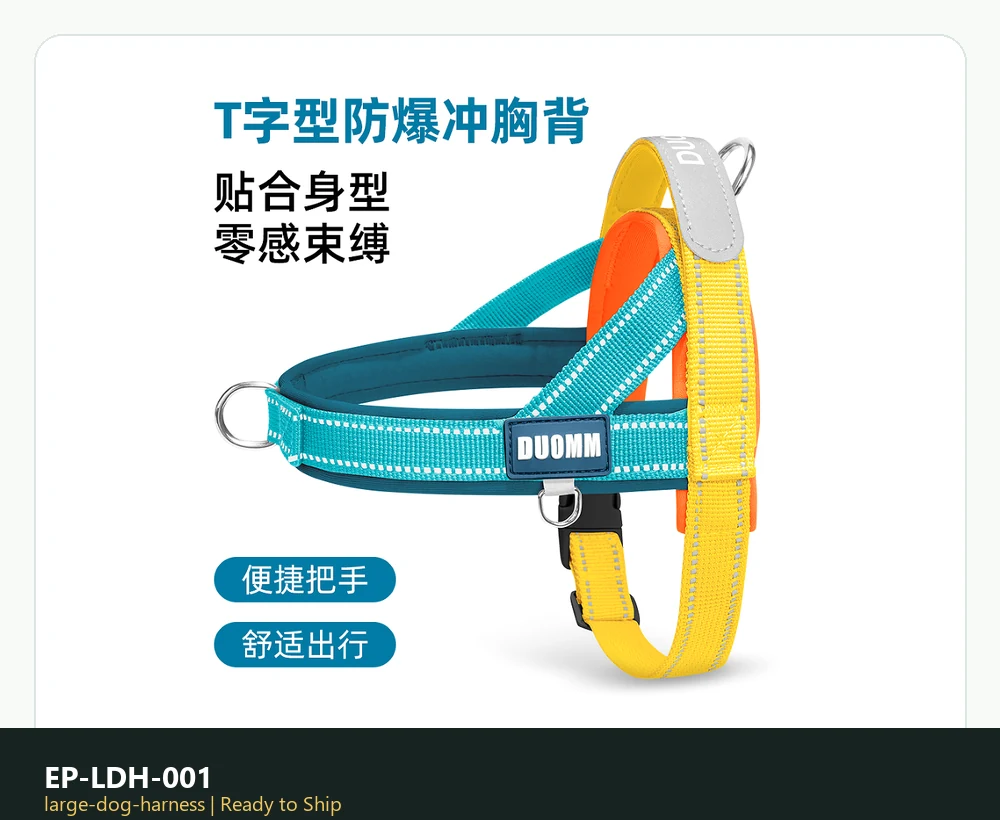
The next detail is width. A narrow leash can look weak beside a heavy harness. A wide leash can feel too bulky for small pets. I look at the target pet group, expected pull level, and shelf photo. Echo Paw's Large Dog Harness category[2] gives a useful comparison point because stronger harnesses need a leash and hardware plan that feels consistent with the control promise.
| Planning area | Simple first rule | What I avoid |
|---|---|---|
| Color | Start with two safe colors and one hero color | Six colors before demand is proven |
| Width | Match width to pet size and harness build | One leash width for every set |
| Hardware | Use one finish family per capsule | Mixed metal tones in one listing |
Use samples to find hidden mismatch
Photos do not show all mismatch risk. I check clasp sound, swivel action, webbing hand-feel, stitch color, and how the leash coils beside the harness. I also look at retail packaging early. If the set will hang together, the card needs enough space and strength. If it will ship as an online bundle, the polybag and barcode plan matter more. I want the set to feel planned from product to carton, not assembled at the end. This is where a short, strict first assortment helps. Fewer choices make better samples, clearer photos, faster approvals, and more stable reorder data.
Which sample checks protect the buyer before a trial order?
A matching set can pass the photo check and still fail in touch, movement, or packaging.
I check fit, pull direction, clasp movement, stitching, color match, retail hanging, barcode placement, carton packing, and whether the set still looks good after handling.
Sample the full set, not loose parts
I ask for the harness and leash together because the weak point often appears between products. The leash clasp may fit the D-ring but feel awkward when turned. The stitch color may be close but not close enough for a premium listing. The harness may look strong, while the leash feels too light for the same promise. I also check how the set looks in a flat-lay photo, on a hanger, and in a shipping bag. B2B buyers sell through images, shelves, and cartons, so the sample check must cover all three.
When the product may be sold in markets with safety expectations, I ask buyers to define their own compliance path. Public updates from ASTM about pet product safety work can help teams understand why standards discussions matter.[3] For retail-ready bundles, I also check barcode planning early with references such as GS1 US guidance.[4] These links do not replace legal, lab, or retail-channel advice. They help the buyer ask better early questions.
| Sample check | What I do | Decision signal |
|---|---|---|
| Color match | Compare set pieces under the same light | Approve, adjust, or split colors |
| Hardware | Open, close, rotate, and pull by hand | Confirm finish and function |
| Packaging | Mock the final display or online pack | Confirm barcode and carton plan |
Ask for a set photo checklist
I like to request a simple photo checklist before the sample ships. It should include a front photo, detail photo, hardware photo, set photo, package mock photo, and carton mark photo if available. This saves time. If the photos already show mismatch, I can adjust before shipping samples. If the photos look strong, I still inspect the physical set, but I start with a clearer expectation. For buyers who plan content early, these photos also help decide whether the product needs a studio shoot, lifestyle shoot, or both. The goal is not to slow sourcing. The goal is to prevent a trial order based on incomplete evidence.
What should I include in a product inquiry for matching walking sets?
A vague inquiry gets a vague quote, and matching-set details often disappear until production starts.
I include set structure, SKU count, sizes, colors, leash width, hardware finish, packaging, barcode needs, sample quantity, destination market, and reorder target.
Make the inquiry a planning document
I write a set inquiry so the supplier can answer with production reality, not only a number. I include the sales channel because an Amazon-style bundle, a distributor carton, and a boutique hanging set need different packaging plans. I include the target pet size because small-dog and large-dog sets should not share the same assumptions. I include color priorities because custom color work may affect minimum quantity and lead time. I include the trial order and reorder target because suppliers can often suggest a cleaner first mix when they know the buyer's real plan.
I also use demand signals carefully. APPA industry resources can help buyers understand the wider pet market context,[5] while Google Trends can show whether search interest uses words like "dog harness set," "matching dog leash," or "dog walking set."[6] I do not let search data replace product judgment. I use it to choose clearer page titles, listing copy, and sample priorities.
| inquiry field | Example detail | Why it matters |
|---|---|---|
| Set structure | Harness plus leash, or harness plus leash plus collar | Defines packing and quote scope |
| Color plan | Black, blue, and one seasonal color | Controls minimum quantity and sample workload |
| Packaging | Hang card, polybag, barcode, carton mark | Prevents late cost surprises |
Use the catalog to make the inquiry concrete
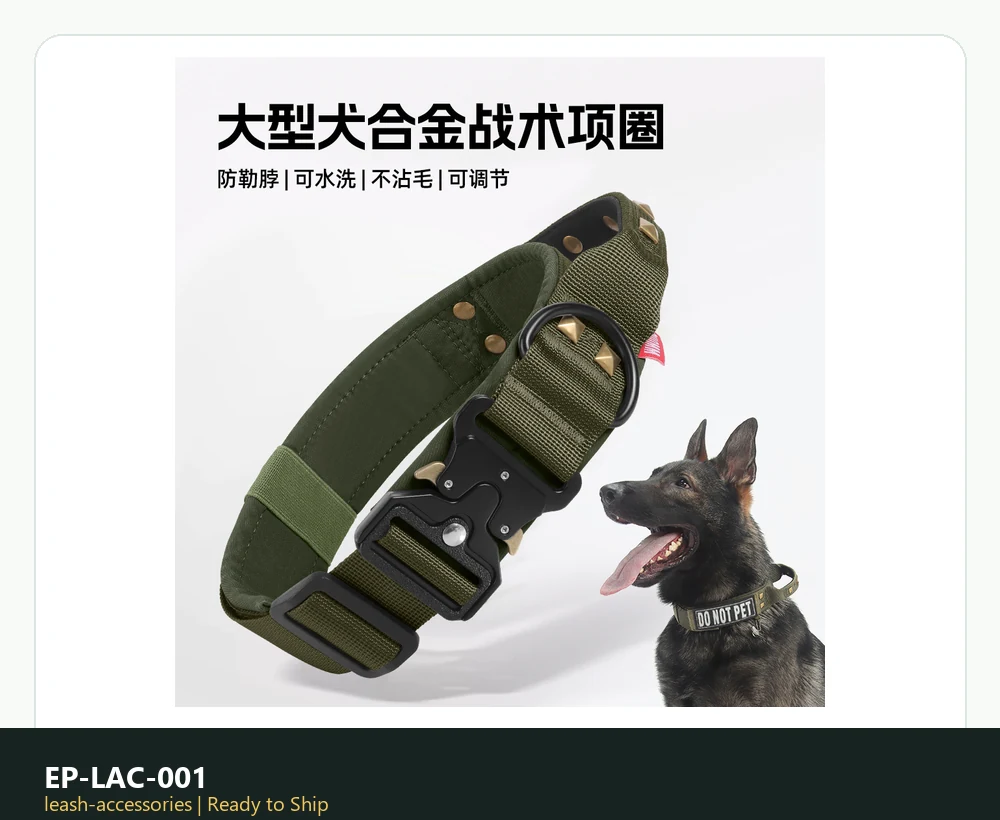
Before I send the inquiry, I add real product references. A page such as EP-LAC-001[7] gives the supplier a clear starting point for an accessory role. The full Echo Paw product catalog[8] lets the buyer combine harnesses, leashes, collars, and apparel into one inquiry list. That keeps the conversation organized. It also reduces the risk of quoting one product well and forgetting the matching pieces that make the set sellable. My final inquiry is simple: this is the market, this is the set, these are the colors, this is the package, this is the sample request, and this is the trial order logic.
Conclusion
I source better matching sets when I treat the harness, leash, color, hardware, package, and reorder plan as one B2B product system.