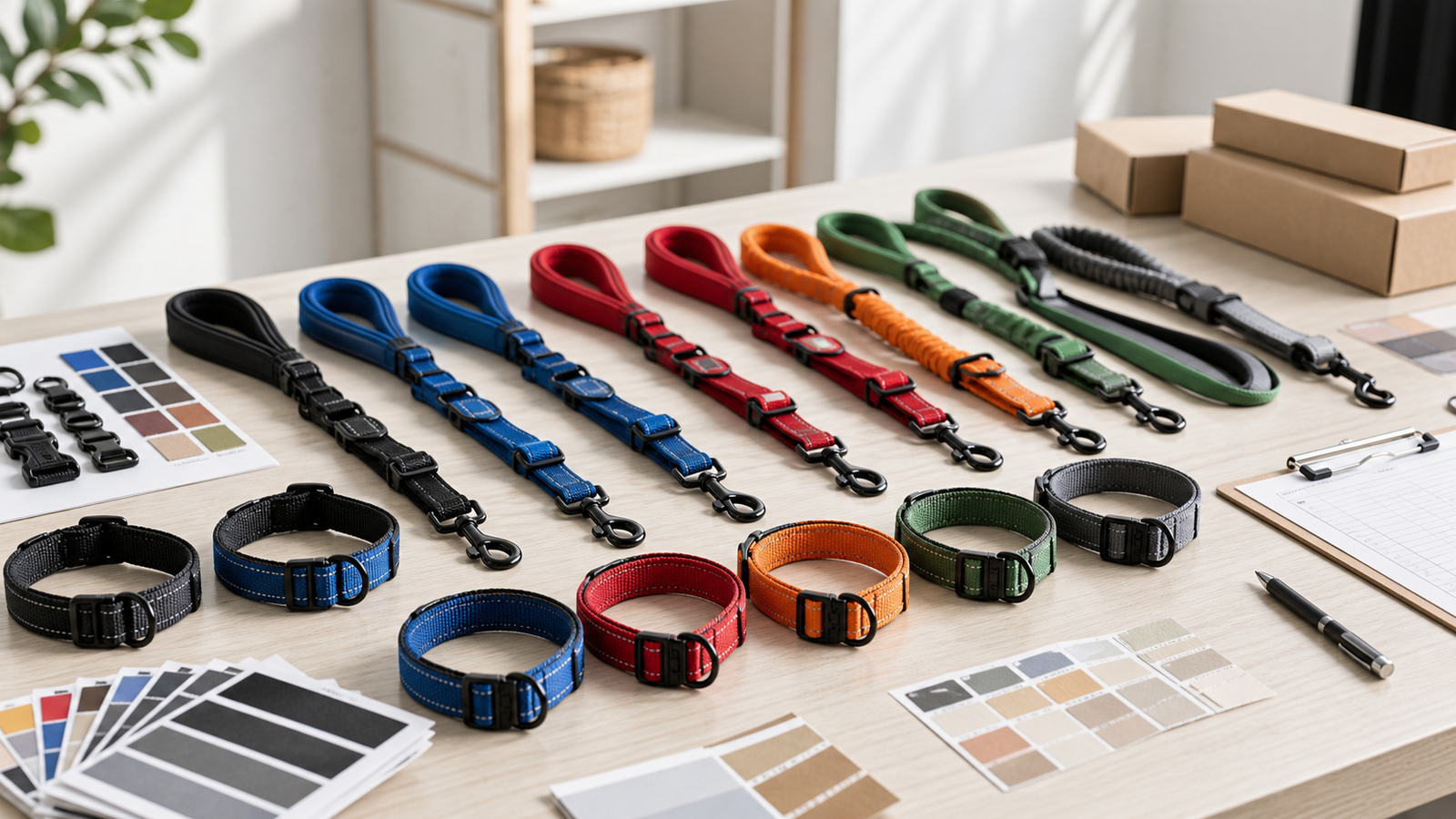
Which collar and leash use cases should I plan first?
Accessory programs fail when every item tries to serve every pet and every channel.
I start with three use cases: daily walking, coordinated retail add-ons, and training or outdoor control. Each use case needs different widths, hardware, photos, packaging, and reorder logic.
Build the program around the buying job
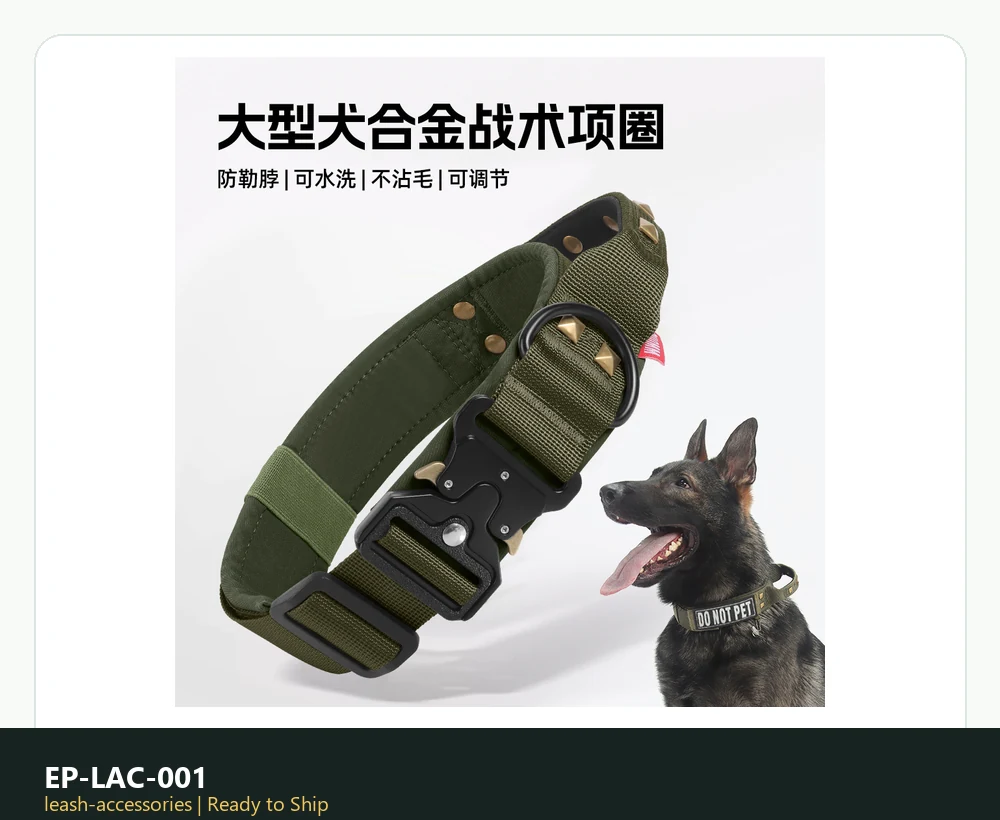
I do not begin with a random list of collar and leash SKUs. I begin with the retail job. A supermarket-style buyer may need basic colors, simple packaging, and fast replacement. A boutique brand may need a softer hand-feel, cleaner photos, and a stronger color story. A marketplace seller may need one hero visual, a small size range, and a clear parent-child listing structure. These needs overlap, but they are not the same.
Keep the first assortment narrow
For a first B2B add-on program, I prefer a tight core. One adjustable collar family, one standard leash family, one longer training leash, and one matched color story are usually easier to sell than ten unrelated accessories. This is especially important when the buyer is testing the category. The goal is not to show every possible SKU. The goal is to create a set that staff can explain and customers can understand quickly.
| Use case | Core items | Buyer check |
|---|---|---|
| Daily walking | Adjustable collar and standard leash | Comfort, buckle action, repeat colors |
| Retail add-on | Collar, leash, and simple bundle | Packaging, shelf order, barcode plan |
| Outdoor control | Longer leash or stronger hardware | Width, stitching, hook strength |
How should I choose collar sizes and leash lengths?
Bad size logic turns a small accessory order into a hard-to-manage inventory problem.
I choose collar sizes by pet neck range and channel demand, then choose leash length by walking purpose. The buyer should confirm size labels, measurement method, and carton mix before ordering.
Size labels must match real retail use
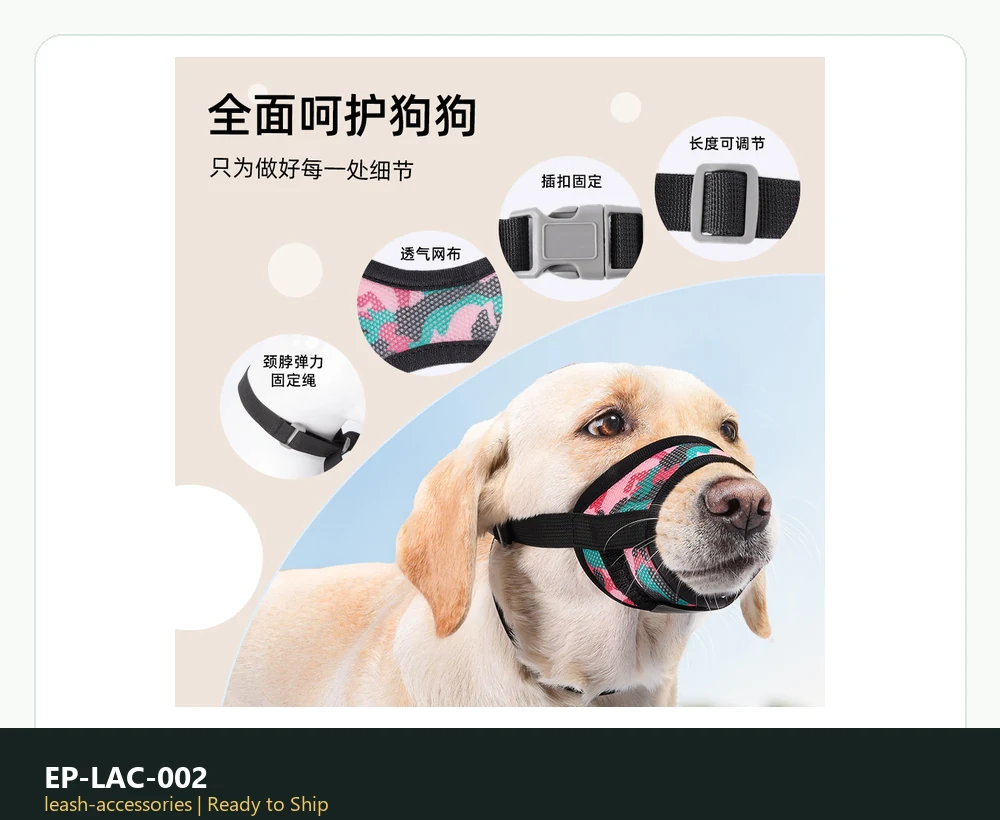
A collar size run only works when the label, measurement, and pet target are clear. I look at each size and ask which customer will buy it. If a size does not connect to a believable pet group, it becomes inventory noise. For example, a buyer can stock S, M, L, and XL, but the product page still needs a neck range and a fit note. Retail staff also need a simple way to explain adjustment. A collar with good adjustment can reduce returns, but only when the size chart is shown clearly.
Leash length should match the scene
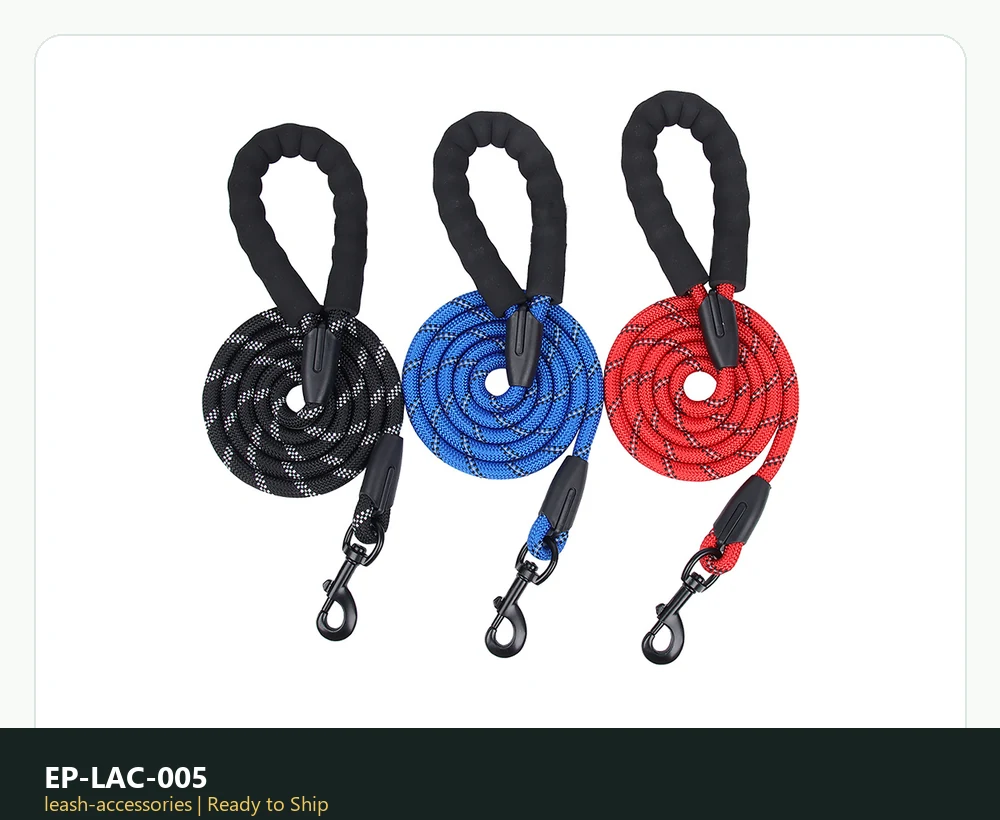
Leash length creates the usage story. A short standard leash supports city walking and close control. A longer leash supports training, park use, and outdoor positioning. Rope or webbing width also changes the buyer's expectation. A thin leash can look light and convenient, while a wider leash can communicate strength. I do not treat these choices as decoration because they affect the product title, image sequence, and customer review language.
| Planning point | Collar decision | Leash decision |
|---|---|---|
| Size label | Use clear neck ranges | Use length and width together |
| Retail display | Group sizes in order | Separate daily and training lengths |
| Reorder | Track size sell-through | Track color and length together |
What material and hardware details matter for repeat orders?
Accessory buyers may accept a sample once, but repeat orders depend on small daily-use details.
For repeat orders, I check webbing feel, edge finish, buckle action, hook movement, D-ring finish, stitching paths, color stability, and whether the material matches the promised retail tier.
Material quality should match the shelf position
I separate material decisions into three levels. The first level is basic function. Does the webbing feel stable? Are the edges clean? Does the buckle close smoothly? The second level is retail confidence. Does the product photograph well, and does it feel better than its price tier suggests? The third level is reorder confidence. Will the same color, width, and finish be available again when the buyer needs to replenish? A good sourcing discussion covers all three levels.
Hardware is a trust signal
Dog collars and leashes are handled before purchase. Buyers touch the hook, buckle, slider, and D-ring. If the parts feel rough, loose, or mismatched, the program loses trust. I also compare hardware color with the assortment story. Black hardware can look sporty. Silver hardware can look familiar and easy. A special finish may help a premium line, but it can also add approval time. For B2B sourcing, the best choice is the one that supports the retail promise without making replenishment harder than needed.
| Detail | What I check | Why buyers care |
|---|---|---|
| Webbing | Hand-feel, thickness, edge finish | It affects touch and perceived value. |
| Hook | Smooth movement and secure closure | It affects daily-use confidence. |
| Stitching | Stress points and consistency | It supports quality claims. |
How do I turn collars and leashes into a stronger retail program?
A single accessory SKU is easy to list, but it rarely builds a memorable category story.
I turn collars and leashes into a retail program by linking colors, widths, package formats, product photos, bundle names, reorder codes, and inquiry data before the first order.
Use color to make the shelf easier to shop
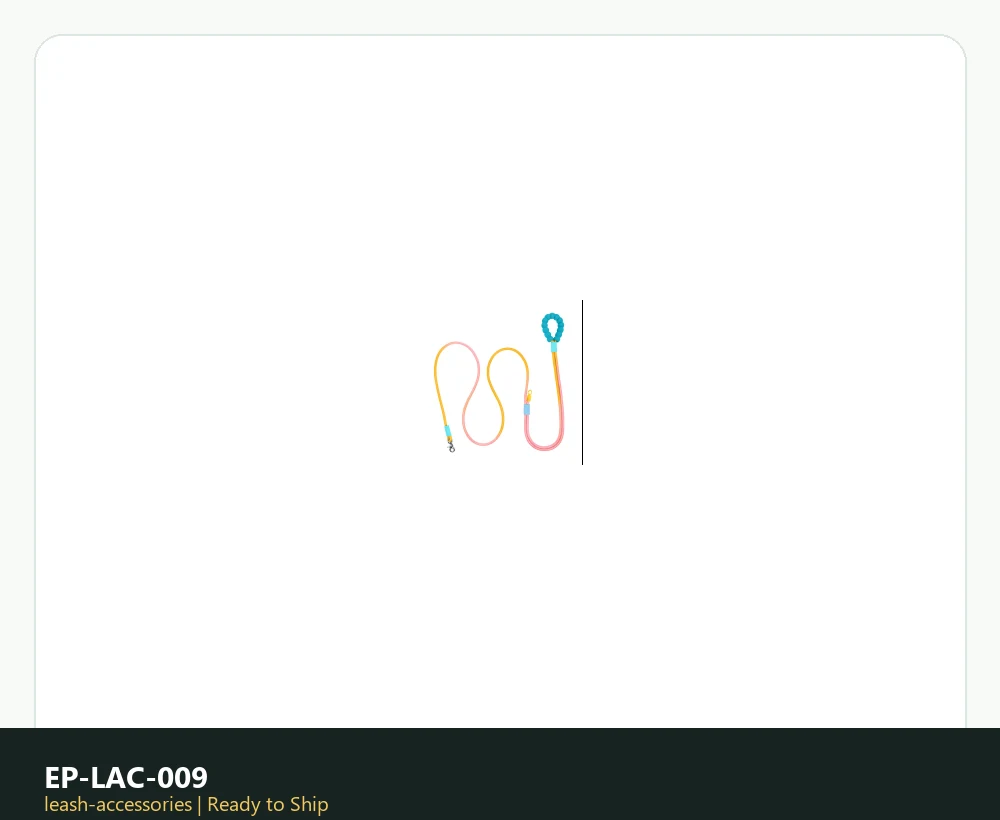
Color is one of the fastest ways to make an accessory program feel planned. I usually ask buyers to choose a basic color, a high-visibility color, and one softer lifestyle color. This gives the shelf range without creating too many slow-moving options. When collars and leashes share colors, the store can display them together. When the colors drift, the program starts to look accidental. For online channels, the same color system also helps image order, variant names, and sponsored product testing.
Prepare the inquiry like a reorder file
I ask buyers to send SKU targets, size mix, color mix, logo needs, package preference, destination market, and sample deadline. This is not extra paperwork. It is the first version of the reorder file. Clear inquiry data helps Echo Paw check catalog matches, stock availability, and OEM discussion points. It also reduces the back-and-forth that slows sampling. If the buyer already knows the retail channel, I also ask for display format. A peg-board card, polybag, hangtag, or bundle set can change how the item should be packed and photographed.
| Program layer | Decision | Result |
|---|---|---|
| Color system | Basic, visible, lifestyle | Cleaner shelf and easier ads |
| Packaging | Hangtag, card, bag, or bundle | Better retail handling |
| Reorder data | SKU, size, color, destination | Faster repeat sourcing |
Conclusion
I source collar and leash programs best when I keep the first order focused, the size logic clear, and the color story repeatable. If you want to build a B2B accessory range from Echo Paw's catalog, start with the use case, then send the SKU, size, color, and packaging details for review.